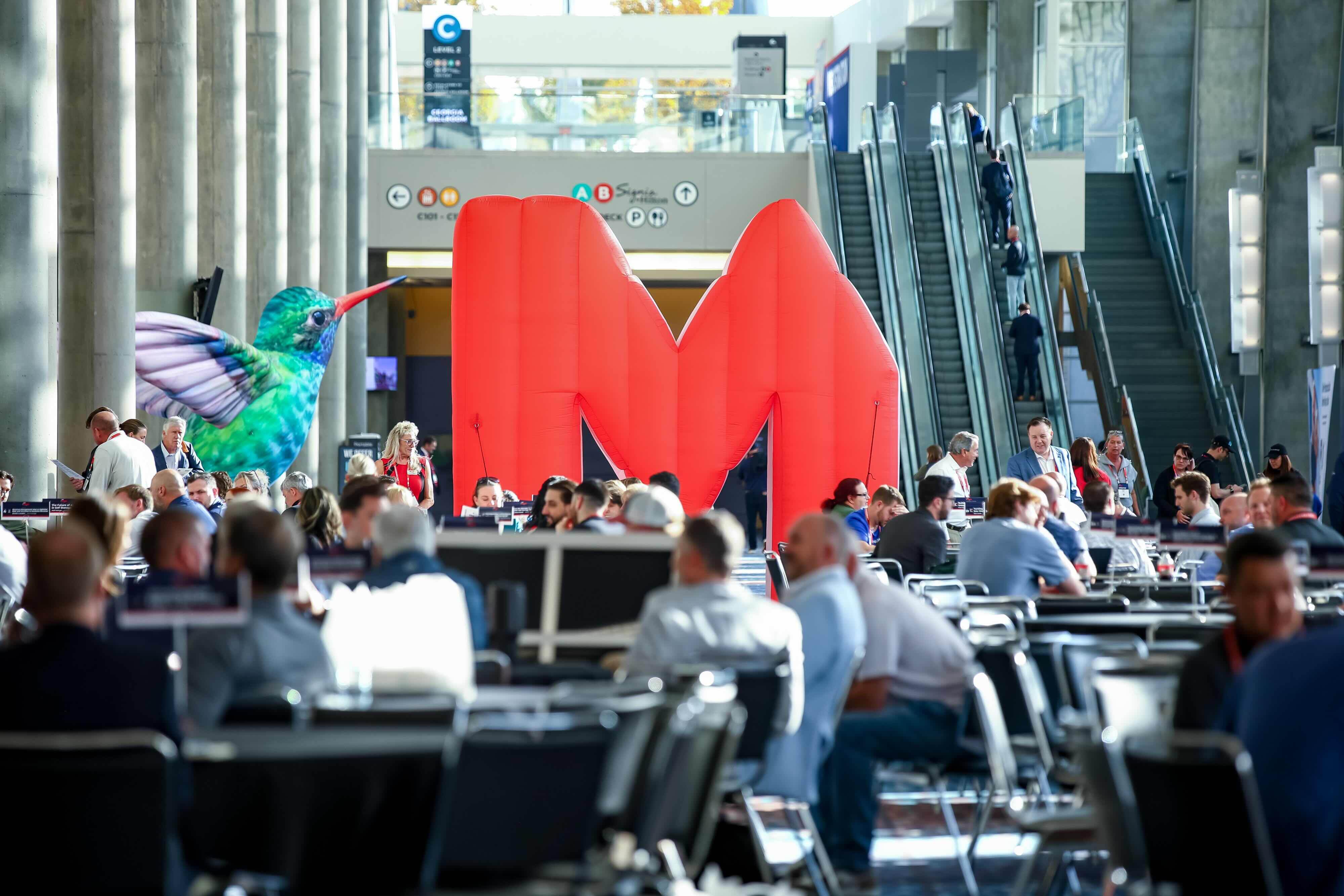
We're back from Atlanta. For three days, MSM's THE Show put the operators, managers, developers and investors who run this industry under one roof, all wrestling with the same problems. Here's what we heard that an independent operator can put to work this month.
The short version: AI got practical. Retention is now where growth comes from. Hospitality is still the one edge a competitor can't copy. And the numbers everyone quotes hide more than they show.
1. AI got practical
AI came up in every content pillar, but the most useful sessions skipped the hype and showed the work.
Ryan Chapman of Lumio walked through what turns a chatbot into a teammate: context, so it knows your business; access, so it can act in your systems; and a schedule, so it starts work without being asked. His example was a Monday briefing that arrives at 7 a.m. with failed autopays flagged and reminder messages already drafted. It also caught a pattern a busy manager might miss: three of a facility's six recent move-outs had received a rate increase in the previous 60 days.
For anyone evaluating AI vendors, his advice came down to three questions. Is it built from your playbook, and can your team change it? Does it finish the job in your management software? Does it learn from the calls it hands off? Then ask to see it work on a real call. We made a similar case in The Voice Is Not the Product.
The Beyond the Chatbot panel picked up from there. Jeff Ryan, our Head of AI, joined Ryan Chapman, Albert Kim of StoragePilot and Tyler Harper of Patchwork Labs, with our COO Tim Hall moderating. The conversation looked past the chat and voice tools operators can buy today, toward AI that works in the background of a facility. All of it depends on clean data and clear rules, and that groundwork can start now.
2. Retention is the new growth story
Jessica Johnson of The Storage Group opened her session with a question few operators could answer: what does one move-out cost you, in dollars?
Citing Storable's Industry Pulse data, she noted that average stays have stretched past 19 months while national move-outs have fallen. Many facilities are holding occupancy because tenants are staying put, not because move-ins are up.
Her math was simple. A tenant paying $115 a month for 11 months brings in $1,265. A tenant paying $102 a month for 19 months brings in $1,938, or 53% more at a lower rate. And when a long-tenured tenant leaves, years of rate growth leave with them, because the replacement starts at today's street rate.
None of her fixes required new software. Make autopay the default at move-in. Keep rate increases moderate and announced in advance. Watch for early warning signs, such as a cancelled autopay or a drop in gate activity. And call every tenant who gives notice within 24 hours. She summed it up this way: "Make staying the easy choice, and make leaving a conversation."
3. Hospitality is the edge competitors can't copy
Sarah Beth DeFazio of Universal Storage Group made the point plainly. Competitors can match your unit sizes, your features and your price by Friday. They can't copy how you made someone feel.
Her most practical habit was one question to ask before unit size: "What's got you looking for storage?" Every rental starts with a life event, such as a move, a new baby or the loss of a loved one. The answer tells a manager the right unit, the right timing and how to help. She backed it with math, too: one 10x10 at $150 a month that stays four months longer is worth $600, and across 20 tenants that's $12,000 with no ad spend.
That theme ran through the rest of the Manager's Office track, which covered safety for managers who work alone, everyday AI tools and grassroots marketing. On Thursday night, MSM presented its Manager of the Year awards live on stage for the first time. Congratulations to winner Trisha Smith of Boardwalk Storage–Shady Grove in Toney, Alabama, and to every honoree.
Remote operations got their own session, too. In The Future of Store Operations, John Bilton of Janus International moderated a panel on how AI is reshaping remote management, with Josh Boyd of StoreEase Virtual Management, Brad Minsley of 10 Federal and DaVinci Lock, and self-storage consultant Rick Beal. The real question was never staffed versus remote. It's how to take repetitive work off a manager's desk, so they can spend their time on customers, the property and the team.
4. Renters are finding you in more places
A Wednesday morning keynote asked a question most operators haven't had to consider: will an AI assistant recommend your facility? Aoife Roche of Intleacht AI showed how renters now search across Google, Maps and assistants like ChatGPT, and what operators can do to show up in each.
The marketing panel with Jessica Johnson, Holly Fiorello and Stacie Maxwell made a similar point. More spending on Google Ads is no longer a strategy on its own. A recognizable local brand, accurate listings and a short path from search to signed lease now carry more weight. At the other end of the budget, Holly Fiorello's Manager's Office session made the case for the oldest channel there is: referrals from movers, apartment communities and real estate agents in your own town.
On Friday, Tim Hall moderated Ask the Marketers, where Niki Bossonis, Tenant's VP of Digital Marketing, and Tommy Nguyen, co-founder of StoragePug, gave operators straight answers to their marketing questions.
One thing to try this week: ask an AI assistant to recommend storage near your facility, then see whether you come up and what it says about you.
5. The averages hide the story
Our CEO, Lance Watkins, moderated a data panel built around one warning: before you make a million-dollar decision from a dashboard, a report or a chatbot, ask what the number is hiding. Panelists from Cushman & Wakefield, Yardi Matrix and TractIQ brought examples.
TractIQ's analysis of CMBS-reported data showed national occupancy slipping from 86.1% to 85.5% over the past year. That average describes almost nobody. REIT-managed stores ran at 90.8%, while non-REIT operators with 15 or more facilities ran at 84%. Occupancy is partly a strategy choice, so an 84% facility isn't necessarily underperforming. Read it next to rate.
Pricing works the same way. The median listing on TractIQ's marketplace asked $83 per square foot, but the median ranged from about $50 to $133 depending on deal size.
For smaller teams, Jared Mastroianni of modSTORAGE offered a weekly habit: a 15-minute review built around one question. What will we decide differently by Friday? Find the exception, check the definitions, choose one response, and give it an owner and a review date.
6. Discipline still wins when capital costs more
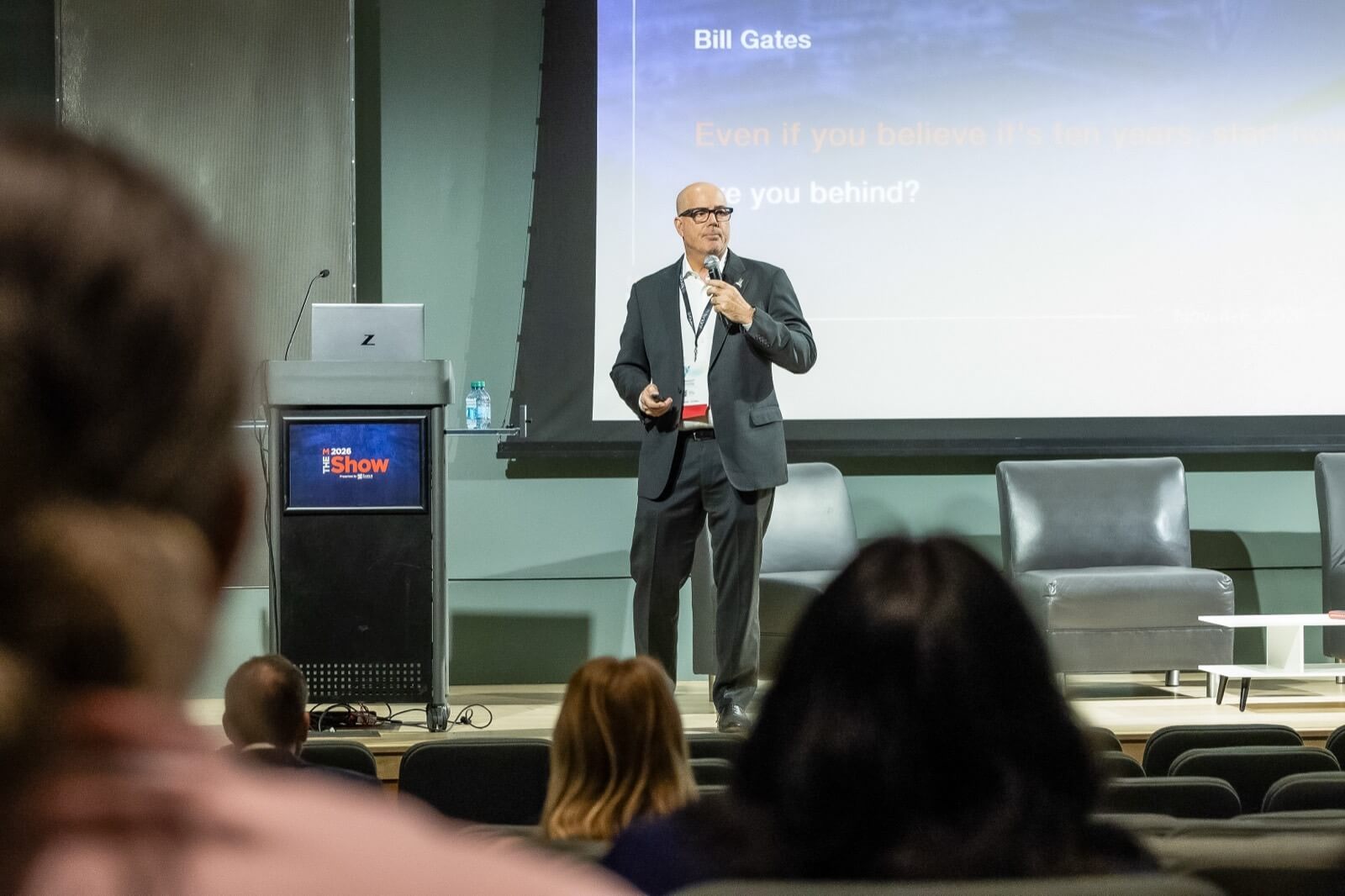
The development and investment rooms were sober, in a useful way. The finance panel focused on higher interest rates, underwriting and upcoming loan maturities. The RV and boat storage panel looked at an oversupplied, high-cost segment and landed on a simple message: disciplined operators still win.
The data panel added some perspective. Yardi Matrix projects national completions will fall about 20% in 2026 and another 18% in 2027, though some markets still face years of lease-up supply. TractIQ found that only 0.08% of self-storage CMBS loan balances were 30 or more days delinquent in September. The pressure sits mostly with loans written since 2022, which carry thinner cushions. That's refinancing risk to watch, not widespread distress.
For a well-run facility, that's not bad news. When growth is expensive, the margin you protect in operations matters more. Tighter collections, fewer missed calls and rates you can defend all show up in NOI, and none of them depend on the next rate cut.
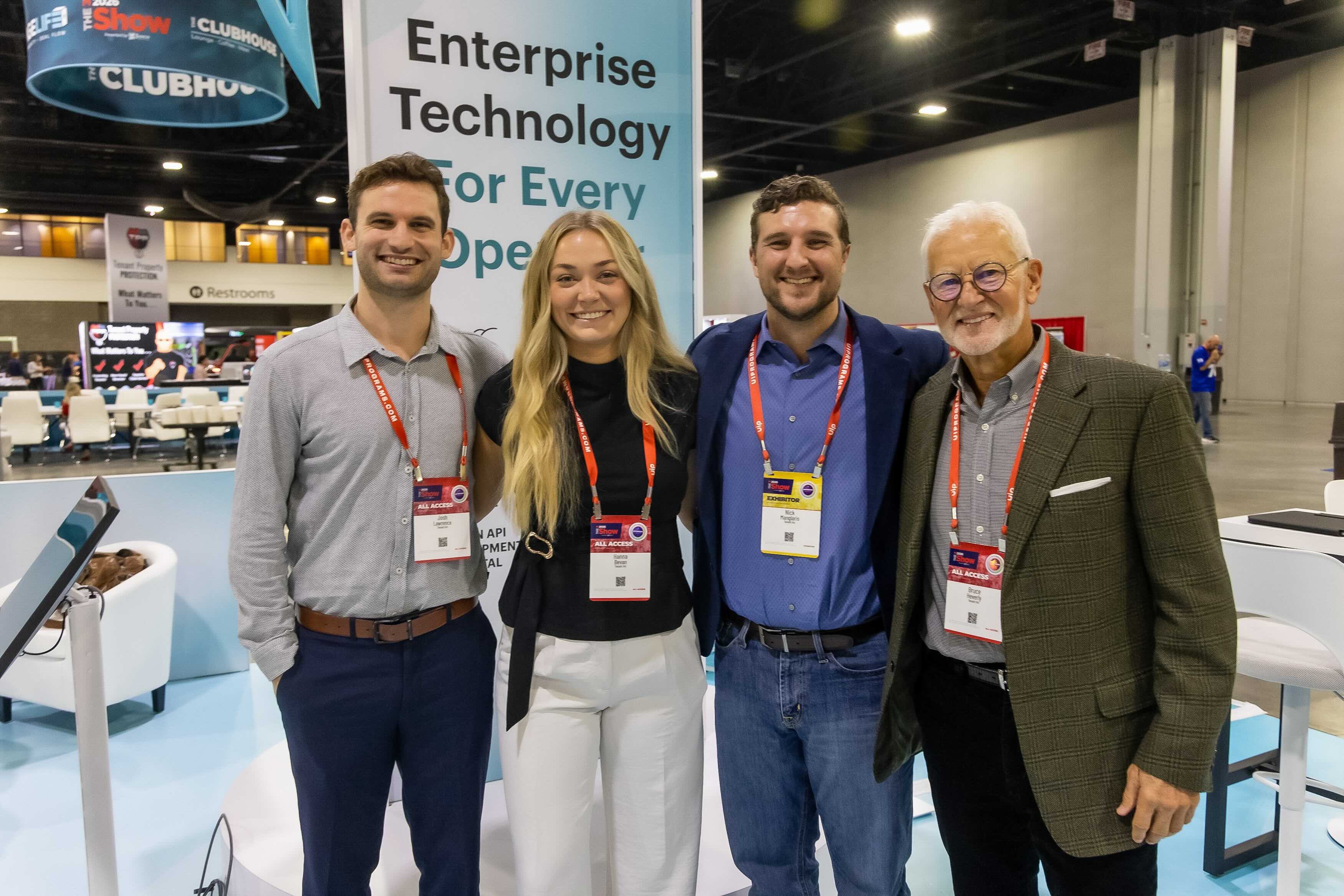
If you couldn't make it to Atlanta
Lance's own session, What's Coming for Self Storage, made a point that fit the whole week. The industry has heard "tech will kill storage" before. It didn't. The operators who got hurt treated technology as a threat instead of a tool. His advice: get your oar in the water.
Here are three places to start this week:
- Put a dollar figure on one move-out at one facility. Count the vacancy, the turn, the marketing and the rate reset.
- Ask your next renter what's got them looking for storage before you ask what size they need.
- Hold a 15-minute review on Friday. Pick one exception, one response and one owner.
Thank you to every speaker, moderator, exhibitor and attendee who made the trip, and to Atlanta Mission, THE Show's local charity partner. We'll see you at the next one!